
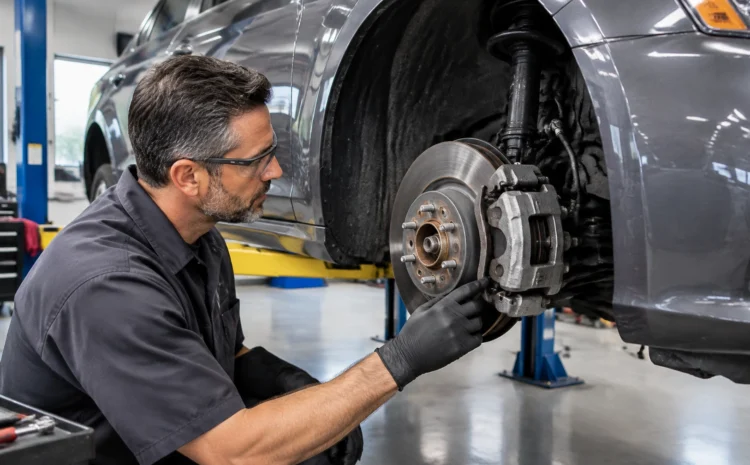
Brakes Grinding or Squealing? Know When It’s Time for Brake Repair in Carrollton, TX
When your brakes start making unusual noises, your vehicle is giving you important information. A brief squeak after rain may not be an emergency, but persistent squealing, grinding, vibration, or a soft brake pedal should never be ignored.
For drivers preparing for fall travel around Carrollton, changing weather and cooler mornings are a good reminder to check your vehicle’s most important safety system. If you notice something unusual when stopping, scheduling professional brake repair in Carrollton TX can help protect your safety, prevent additional damage, and keep a manageable repair from becoming an expensive one.
At Blanco’s Flawless Steve King Automotive, ASE-certified technicians inspect and repair brake systems on all makes and models. From worn pads to damaged rotors, sticking calipers, brake fluid concerns, and ABS issues, our team uses advanced equipment and quality parts to identify the actual problem.
What Squealing and Grinding Brakes Usually Mean
Persistent squealing
A high-pitched squeal often indicates that your brake pads are nearing the end of their usable life. Many pads include a small metal wear indicator designed to create noise when the friction material becomes thin.
Squealing can also result from brake dust, moisture, glazed pad material, or a hardware issue. A brief sound after your vehicle sits overnight or after rain may disappear once the brakes warm up. However, repeated squealing during normal stops deserves an inspection.
The sooner worn pads are replaced, the better your chances of protecting the rotors underneath them.
Grinding or metallic scraping
Grinding is more urgent. It may mean the friction material has worn away and the metal backing plate is contacting the rotor. Once that happens, every stop can score or overheat the rotor surface.
If your brakes are grinding, avoid unnecessary driving and arrange service as soon as possible. Continuing to drive can turn a relatively straightforward pad replacement into a repair involving pads, rotors, calipers, and additional hardware. In severe cases, braking performance may be significantly reduced.
Six Brake Warning Signs You Should Not Overlook
Noise is not the only signal that your vehicle needs brake service. Pay attention to how the vehicle feels, sounds, and responds when you slow down.
1. A soft or spongy brake pedal
Your brake pedal should feel firm and consistent. If it feels mushy, sinks farther than usual, or requires pumping, the system may have air, moisture, a fluid leak, a damaged brake line, or another hydraulic problem.
A sinking pedal can also point to a master cylinder concern. Because hydraulic pressure is essential to braking, a soft pedal should be inspected promptly rather than treated as a minor inconvenience.
2. Vibration or pulsation during braking
If you feel vibration through the steering wheel or pulsation through the brake pedal, the rotors may have uneven wear or excessive runout. Rotors absorb significant heat during braking, and repeated high temperatures can affect their surface condition.
Vibration can also involve suspension or wheel components, which is why a professional inspection matters. Replacing parts based only on symptoms can lead to unnecessary expense.
3. Pulling to one side
Does your vehicle drift left or right when you brake? Uneven pad wear, a sticking caliper, restricted brake fluid flow, or a tire and alignment issue may be responsible.
A sticking caliper is particularly important to address. It can keep a pad pressed against the rotor, creating heat, uneven wear, reduced fuel economy, and premature damage to nearby components.
4. A brake or ABS warning light
A dashboard warning light should never be dismissed. The brake warning light may indicate low fluid, a hydraulic concern, or a parking brake that has not fully released. An ABS light can signal a sensor, wiring, module, or hydraulic-control problem.
Modern anti-lock braking systems help prevent wheel lockup during hard stops. When the ABS light comes on, professional diagnostic testing can determine whether the problem is electronic, mechanical, or related to another part of the braking system.
5. Longer stopping distances
If your vehicle no longer stops as confidently as it once did, something has changed. Worn pads, contaminated fluid, damaged rotors, a failing caliper, tire problems, or another issue may reduce braking performance.
Do not wait for the problem to become obvious in an emergency. Longer stopping distances are a safety concern in Carrollton traffic, especially around busy intersections, school zones, and congested roads.
6. A burning odor after braking
A sharp burning smell may indicate overheated pads, a sticking caliper, or repeated heavy braking. Allow the brakes to cool and arrange an inspection, particularly if the smell returns during ordinary driving.
Why Delaying Brake Repair Can Cost More
Brake pads are designed to wear. Rotors and calipers are not intended to serve as substitutes for missing pad material.
When worn pads are ignored, the backing plate can grind directly against the rotor. That contact may create deep grooves, excessive heat, and an uneven braking surface. A repair that might have required pads alone could now require new pads and rotors.
A neglected caliper can cause similar problems. If it sticks or fails to release properly, it may overheat the rotor and wear the pad unevenly. It can also place additional stress on the brake hose and wheel-end components.
Brake fluid problems can become more serious as well. Fluid absorbs moisture over time, and leaks can reduce hydraulic pressure. Simply adding fluid without locating the cause does not solve the underlying issue.
Pads, Rotors, and Brake Fluid: What Is the Difference?
Understanding the main brake components can make a repair recommendation easier to evaluate.
Brake pads
Brake pads are friction components that press against the rotors when you apply the brake pedal. Their friction material gradually wears away with use. Pad replacement is common maintenance, but the exact interval depends on your driving habits, vehicle type, traffic, and pad material.
Technicians look for remaining thickness, even wear, cracks, contamination, and damage to the pad hardware.
Brake rotors
Rotors are metal discs attached to the wheel hub. The pads clamp against them to create the friction that slows your vehicle.
A rotor with severe grooves, heat spots, cracks, or excessive runout may need replacement. In some situations, the rotor may meet specifications for machining, but the correct recommendation depends on its measured condition and the vehicle manufacturer’s requirements.
Brake fluid
Brake fluid transfers pressure from the master cylinder to the calipers or wheel cylinders. It is the hydraulic medium that allows your pedal input to become braking force at the wheels.
Low fluid, contaminated fluid, air in the lines, or a leak can contribute to a soft pedal and reduced braking performance. Fluid should be checked during a brake inspection, not only when a warning light appears.
What a Professional Brake Inspection Covers
A proper inspection should go beyond looking through the wheel spokes. At Blanco’s Flawless Steve King Automotive, our technicians can evaluate the complete system and explain what needs attention now versus what can be monitored.
A professional brake inspection may include:
- Measuring brake pad thickness and checking for uneven wear
- Inspecting rotor surfaces for grooves, scoring, cracks, and heat damage
- Measuring rotor condition where appropriate
- Checking caliper movement, piston operation, and mounting hardware
- Examining brake hoses and lines for leaks, corrosion, or damage
- Checking brake fluid level and condition
- Scanning the ABS system when a warning light or electronic fault is present
- Road-testing the vehicle to evaluate noise, vibration, pulling, and pedal feel
This process helps distinguish between a pad replacement, a pad-and-rotor repair, caliper service, fluid or brake line work, and a more complex ABS diagnosis. It also helps you avoid paying for parts your vehicle does not need.
Why Fall Is a Smart Time to Check Your Brakes
Fall driving brings cooler mornings, changing road conditions, and more frequent trips for work, school, errands, and seasonal travel. Wet pavement can reduce available traction, leaving less margin for a brake system that is already worn or inconsistent.
Before heading into a busier driving season, pay attention to any new noise or change in pedal feel. If you have noticed squealing, grinding, vibration, pulling, or a warning light, getting an inspection now is more practical than waiting for a breakdown or a sudden loss of braking performance.
Routine service is also valuable even when your brakes seem normal. During scheduled maintenance or a multi-point inspection, technicians can identify wear before it becomes an urgent repair.
Dependable Brake Repair for Carrollton and Nearby Communities
When you need brake repair Carrollton TX drivers can count on, Blanco’s Flawless Steve King Automotive provides dealership-quality service without the dealership markup. Our ASE-certified technicians service cars, trucks, vans, and SUVs of all makes and models, including domestic vehicles and luxury European brands.
We offer honest, upfront pricing so you can understand the recommended repair before work begins. Our shop serves drivers throughout Carrollton, Farmers Branch, Addison, Plano, Frisco, Dallas, and surrounding areas.
If your brakes are grinding, if the pedal feels soft, or if a warning light has appeared, do not wait for the problem to worsen. Schedule a brake inspection or contact Blanco’s Flawless Steve King Automotive at (972) 931-2650. A timely inspection can help restore confident stopping, protect more expensive components, and prepare your vehicle for the road ahead.