
Do You Really Need an Oil Change Every 3,000 Miles? Here’s the Truth for Carrollton, TX Drivers
If you’ve always changed your oil every 3,000 miles, you’re following a rule that made sense for many vehicles in the past. But for most modern cars, that interval isn’t automatically necessary. Engines, oils, and maintenance technology have changed, and your best schedule depends on your vehicle and how you drive it.
Here’s how to tell whether your car needs an oil change now or can safely go farther between visits.
Where did the 3,000-mile rule come from?
Decades ago, 3,000 miles became a common oil-change guideline. Older engines and conventional oils generally weren’t designed for the longer service intervals many newer vehicles allow. Vehicles also varied in how well they kept contaminants out of the oil, and maintenance schedules often leaned toward a cautious, easy-to-remember interval.
That history explains why the advice stuck around. It doesn’t make 3,000 miles a bad interval for every vehicle today. Some owners’ manuals still call for it under particular conditions. But it is no longer a universal rule you should apply to every car.
As AAA’s oil-change guidance notes, advances in oil and automotive technology mean many modern vehicles can go longer between changes. The right interval is the one specified for your vehicle, not a number handed down from an older car.
How often do modern vehicles need an oil change?
For many modern vehicles, the recommended interval is around 5,000 to 7,500 miles. Some models allow intervals as long as 10,000 miles when the manufacturer specifies the appropriate oil and driving conditions. These are broad examples, not a schedule to apply to every make and model.
Your owner’s manual is the most reliable place to start. Look for its maintenance schedule and check whether it lists different intervals for normal and severe driving. Pay attention to the time limit, too: a recommendation may be based on mileage or months, whichever comes first.
The type of oil matters, but “full synthetic” alone doesn’t determine your interval. Your vehicle may require a particular viscosity and performance specification. Using oil that doesn’t meet those requirements can undermine the protection the engine was designed to receive. Follow the manual’s oil specification and change interval, even if a different oil advertises a longer service life.
Your driving habits can change the schedule
Mileage tells only part of the story. A vehicle that covers miles steadily on open roads doesn’t experience the same use as one that spends much of its time in short trips, traffic, or extended idling.
Your owner’s manual may classify the following as severe service:
- Frequent short trips, especially when the engine doesn’t have time to reach operating temperature
- Repeated stop-and-go or low-speed driving
- Long periods of idling
- Towing or carrying heavy loads
These conditions can place extra demands on engine oil or give it less opportunity to get fully warm. That’s why a driver who mostly makes brief trips may need to follow a more frequent schedule than someone who drives longer distances, even if both vehicles show similar mileage.
If you’re unsure which schedule matches your routine, describe how you use your vehicle to a technician. For drivers in Carrollton, Farmers Branch, Addison, Plano, Frisco, and Dallas, that context can help make scheduled maintenance recommendations more useful than a mileage estimate alone.
What does your oil-life monitor actually do?
Many newer vehicles have an oil-life monitoring system. Rather than simply counting down a fixed number of miles, the system estimates when an oil change is due using information about vehicle operation. Depending on the model, that can include factors such as engine temperature, trip length, idling, and engine load.
The monitor is a useful guide, but it doesn’t mean you can ignore your owner’s manual. Follow the vehicle’s specific instructions for the oil-life display and its service schedule. Also, don’t confuse an oil-life reminder with an oil-level warning: a monitor generally estimates oil condition or service timing and may not tell you that the oil level is low. Check the level as directed in your manual.
After an oil change, the system may need to be reset according to the manufacturer’s procedure. If it isn’t, the reminder may not accurately reflect the new service interval.
Too often or too rarely: what’s the downside?
Changing oil sooner than your vehicle requires usually doesn’t harm the engine. But doing it much more often than necessary can add avoidable service costs and use oil that could have remained in service. The 3,000-mile mark isn’t automatically better simply because it arrives sooner.
Stretching oil changes beyond the manufacturer’s schedule carries a different risk. As oil ages, it can lose some of its ability to lubricate, carry heat away, and suspend contaminants. Under the wrong conditions, degraded oil and accumulated deposits can contribute to sludge, a thick buildup that may interfere with oil flow. Poor lubrication then accelerates wear on moving engine parts.
Consistently missing the maintenance schedule may also create problems if you need warranty coverage for an engine concern. Keep service records and follow the schedule in your manual; don’t assume that oil that looks clean is still fit for continued use.
If your oil-life monitor calls for service, or your manual’s mileage or time limit has arrived, make an appointment rather than waiting for a sound or dashboard warning that something is wrong.
What happens during a proper oil change?
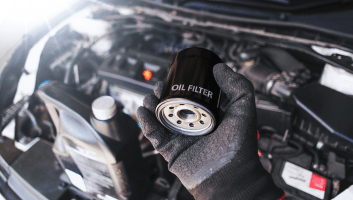
An oil change is more than pouring in fresh oil. The correct service uses oil that meets your vehicle’s required specification and replaces the oil filter so it can continue to catch contaminants. The old oil is drained, the engine is refilled to the specified level, and the technician checks the work for issues such as leaks. If your vehicle has an oil-life monitor, it should be reset as directed.
A service visit is also a good time to review any maintenance items due for your vehicle. You can learn more about our oil and filter changes and scheduled maintenance. At Blanco’s Flawless Steve King Automotive, ASE-certified technicians provide dealership-quality service without the dealership markup.

Follow your vehicle’s schedule, not a one-size-fits-all rule
So, do you really need an oil change every 3,000 miles? Not necessarily. Some vehicles or severe-use schedules may call for that interval, but many modern cars allow more time between changes. Your owner’s manual and oil-life monitor are better guides than a blanket rule, and your driving habits can affect which schedule applies.
If you’re looking for an oil change in Carrollton, TX, Blanco’s Flawless Steve King Automotive can help you confirm the appropriate service for your vehicle and complete the oil and filter change. Book an appointment online or call +1 (972) 931-2650. We’re at 3151 Skylane Dr Ste 108, Carrollton, TX 75006, and serve drivers in Carrollton, Farmers Branch, Addison, Plano, Frisco, Dallas, and surrounding areas.