
Understanding Your Vehicle’s Electrical System: Common Issues and How They’re Repaired
Navigating the complexities of your vehicle’s electrical system can sometimes feel daunting. Whether you’re cruising through the bustling streets of Dallas or taking a scenic drive around Carrollton, understanding and maintaining your car’s electrical health is crucial for a smooth ride. In this guide, we’ll explore common electrical problems, how they’re diagnosed, and what repairs entail. You’ll leave with a clearer picture and a newfound confidence in tackling those flickering lights or that stubborn battery issue.
The Basics of Your Vehicle’s Electrical System
Every vehicle is equipped with a sophisticated electrical system, often underestimated until something goes awry. This system powers everything from your headlights to your stereo, and understanding its components can help you identify problems early.
Key Components of the Electrical System
The electrical system in your car comprises several vital parts. The battery, alternator, and starter are the core elements. The battery provides the initial jolt of electricity needed to start your vehicle. The alternator then takes over, recharging the battery while powering other electrical components as you drive. The starter is responsible for cranking the engine to get it running.
How the System Works Together
These components work in harmony to ensure your vehicle runs smoothly. When you turn the ignition, the battery sends power to the starter, which cranks the engine. Once the engine is running, the alternator kicks in to keep the battery charged and power the electrical systems. If any part fails, it can cause a ripple effect, leading to various electrical issues.
Common Electrical Problems
Understanding potential issues can save you from getting stranded or facing expensive repairs. Here are some common electrical problems vehicle owners encounter.
Battery and Alternator Failure
Battery and alternator issues are among the most frequent electrical problems. Symptoms of a failing battery include dim headlights, clicking sounds when turning the ignition, or a sluggish engine crank. On the other hand, if your alternator is on the fritz, you might notice flickering dashboard lights or a battery warning light.
Wiring Issues
Vehicle wiring issues can manifest as erratic behavior of electrical components, such as sporadic radio operation or malfunctioning power windows. These problems often arise due to wear and tear or rodent damage, especially if your car is parked outdoors for extended periods.
Blown Fuses
Fuses protect your vehicle’s electrical circuits from overloading. A blown fuse might cause certain components, like the interior lights or the radio, to stop working. Replacing a fuse is often a straightforward process, but identifying the underlying cause is essential to prevent recurrence.
Diagnosing Electrical Problems
Identifying the root cause of an electrical issue requires a systematic approach. Here’s how mechanics typically diagnose these problems.
Visual Inspection
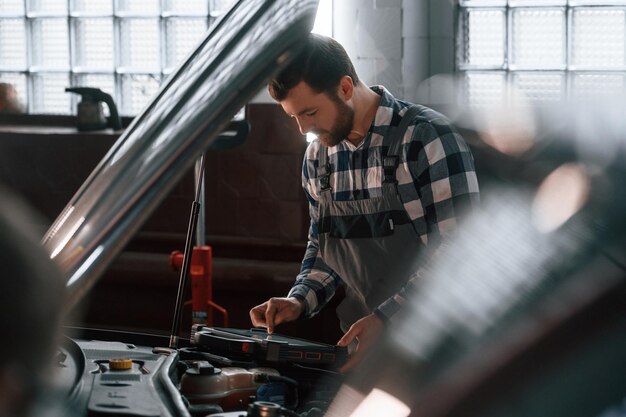
A thorough visual inspection is the first step in diagnosing electrical issues. Mechanics look for obvious signs of damage, such as corroded battery terminals, loose wires, or burnt fuses. This step can often pinpoint the problem without the need for advanced diagnostic tools.
Using Diagnostic Tools
Modern vehicles come equipped with onboard diagnostics systems that provide error codes when something goes wrong. Mechanics use diagnostic scanners to read these codes, offering clues to the problem’s source. This technology helps pinpoint issues quickly, saving time and money.
Testing Components
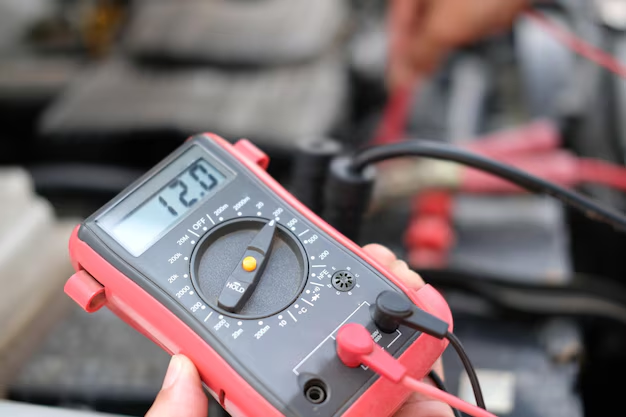
If the problem isn’t immediately apparent, each component of the electrical system is tested individually. This can involve checking the battery’s voltage, the alternator’s output, or the starter’s function. Comprehensive testing ensures that all potential issues are addressed.
Repairing Electrical Problems
Once the problem is diagnosed, it’s time to move onto repairs. Depending on the issue, repairs can range from simple to complex.
Replacing the Battery or Alternator
If the battery or alternator is faulty, replacement is often the best solution. Replacing a battery is typically straightforward, involving disconnecting the old one and connecting the new. Alternator replacement, however, can be more complex due to its location and integration with other systems.
Fixing Wiring Issues
Wiring problems often require tracing the entire circuit to find breaks or shorts. Once identified, damaged wires are repaired or replaced. This process can be time-consuming, particularly in vehicles with extensive electrical systems.
Resolving Fuse Problems
Replacing a blown fuse is simple, but preventing future issues is key. Mechanics will investigate the cause of the overload that led to the blown fuse, ensuring that the problem doesn’t recur.
Preventive Maintenance Tips
Preventive maintenance can help you avoid electrical problems and extend the life of your vehicle’s components.
Regular Battery Checks
Regularly checking the battery’s health can prevent unexpected failures. Look for signs of corrosion and ensure that the connections are tight. Many auto parts stores offer free battery testing, which can give you an idea of its remaining lifespan.
Protecting Wiring
Keeping your vehicle parked in a garage can protect its wiring from potential rodent damage. Additionally, using protective sprays on wiring can deter pests and prolong the life of your vehicle’s electrical system.
Professional Inspections
Regular professional inspections can catch problems early before they lead to major repairs. Mechanics can use diagnostic tools to check the overall health of your vehicle’s electrical system, ensuring everything is in working order.
Seasonal Considerations for Electrical Systems
Different seasons can affect your vehicle’s electrical system in various ways. Here are some tips to keep your car running smoothly year-round.
Winter Challenges
Cold weather can impact your battery’s performance. Ensure that your battery is fully charged and in good condition as temperatures drop. Investing in a battery warmer can also help maintain performance in freezing conditions.
Summer Heat
High temperatures can accelerate battery fluid evaporation, leading to reduced efficiency. Regular checks and maintenance during the summer months can help mitigate these effects and keep your vehicle running smoothly.
Taking Action
Understanding your vehicle’s electrical system is the first step in ensuring its longevity and reliability. If you’re experiencing any of the issues discussed or need a professional inspection, don’t hesitate to contact Blanco’s Flawless Steve King Automotive. Our experienced team is ready to diagnose and repair any car electrical problems, keeping you safely on the road. Visit us or give us a call to schedule an appointment today.