
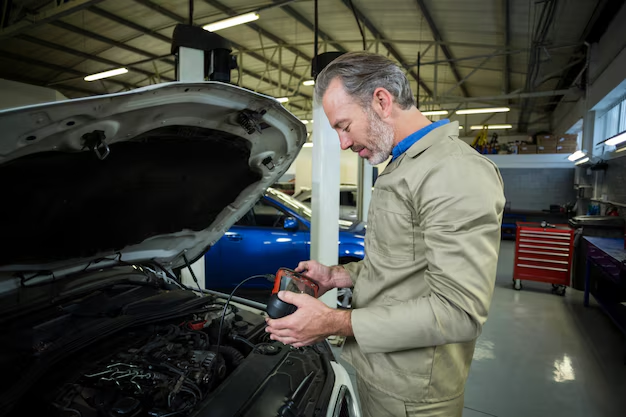
Why Routine Car Battery Testing Helps Prevent Unexpected Breakdowns and Costly Delays
Car battery maintenance might not be the most exciting topic for car owners, but it’s one of the most crucial aspects to ensure your vehicle runs smoothly. Imagine you’re on your way to an important meeting or a weekend getaway, and your car refuses to start. The culprit? A dead battery. This scenario is not only frustrating but can also lead to unexpected expenses. In this post, I’ll explore why routine car battery testing is essential for avoiding such headaches and how it can save you time and money in the long run.
The Importance of Car Battery Maintenance
A car battery is the heart of your vehicle’s electrical system. It’s responsible for starting the engine and powering all the electrical components, from headlights to the radio. Without a well-functioning battery, your car won’t run, no matter how well the rest of the vehicle is maintained. Routine car battery maintenance ensures that you are not caught off guard by an unexpected breakdown.
Consider a family road trip to a remote area. Suddenly, the car doesn’t start after a pit stop. The nearest service station is miles away. This is a classic scenario where regular battery testing could have flagged a potential issue before it became a significant problem. The inconvenience and potential cost of towing in such a situation can be avoided with foresight.
Understanding the Basics of Car Batteries
Car batteries are typically lead-acid batteries that store electrical energy, which is converted into power to start the engine. Over time, these batteries can lose their ability to hold a charge due to various factors like age, temperature fluctuations, and usage patterns.
In hot climates like Texas, the heat can accelerate the chemical reaction inside the battery, causing it to wear out faster. Conversely, in colder climates, the battery may struggle to deliver adequate power to start the engine, especially if it’s already weak. This is why understanding your environment’s impact on your battery’s health can guide you in taking timely action.
How Often Should You Test Your Car Battery?
A general rule of thumb is to test your car battery every six months, or at least twice a year. However, if you live in areas with extreme temperatures, like Carrollton, Texas, you might need to test it more frequently due to the added strain on the battery. Regular testing allows you to monitor the battery’s health and replace it before it fails.
Signs of a Weak Battery
Recognizing the early signs of a weak battery can prevent unexpected roadside breakdowns. Here are some common indicators that your battery might be failing:
Slow Engine Crank
If you notice that your engine is cranking slower than usual, it could be a sign that your battery is losing its charge. This is often more noticeable during cold weather. For example, if you’re in the mountains for a ski trip and your car struggles to start in the morning, it could be due to a weakened battery.
Dimming Lights and Electrical Issues
Dimming headlights, flickering dashboard lights, or other electrical issues could indicate that your battery is not providing enough power to your vehicle’s electrical components. This can be particularly troublesome during a night drive, where visibility is crucial for safety.
Warning Light on the Dashboard
Most modern vehicles have a battery warning light on the dashboard. If this light comes on, it’s a clear sign that you need to get your battery checked immediately. Ignoring this warning could lead to a complete breakdown at the most inconvenient time.
Battery Testing Benefits
Regular battery testing offers several benefits that go beyond just preventing a breakdown. It can enhance your overall driving experience and safety.
Improved Vehicle Reliability
By ensuring your battery is in good condition, you can rely on your vehicle to start every time you need it. This reliability is crucial, especially when you have important appointments or long trips planned. Imagine heading out for a road trip across the country; knowing your battery is in good shape gives you peace of mind that the journey will be smooth.
Enhanced Safety
A failing battery can leave you stranded in inconvenient or unsafe locations. Routine testing helps you avoid such situations, ensuring your safety and peace of mind. For instance, if you often travel through rural areas with limited cell service, a battery failure could leave you unable to call for help.
Saving Money in the Long Run
While there’s a small cost associated with battery testing, it pales in comparison to the potential expenses of a roadside breakdown or the need for towing services. Regular testing can help you avoid these costly scenarios.
Preventing Roadside Breakdowns
Roadside breakdowns can be a major inconvenience, especially in areas like Carrollton or Dallas, where traffic can already be a challenge. Regular battery testing is a proactive measure to prevent such occurrences.
Planning Ahead for Seasonal Changes
In regions with extreme weather, like Texas, seasonal changes can impact your battery’s performance. Testing your battery before the onset of winter or summer can ensure it’s ready to handle the temperature fluctuations. Consider scheduling a check-up in spring and fall to align with these seasonal transitions.
Keeping an Emergency Kit
While routine maintenance is crucial, it’s also wise to keep an emergency kit in your car, including jumper cables, a flashlight, and a portable phone charger. These items can be lifesavers in case of an unexpected battery failure. For instance, if you’re stuck on a lonely road at night, having a flashlight and a charger ensures you can see clearly and stay connected.
How to Conduct a Battery Test
Testing your car battery might sound technical, but it’s a straightforward process that can be done at home or by a professional.
DIY Battery Testing
For those who prefer a hands-on approach, you can use a multimeter to test your battery’s voltage. A fully charged car battery should read around 12.6 volts. If the reading is significantly lower, it’s time for a replacement. Investing in a multimeter, which costs around $20 to $50, can be a practical tool for regular at-home checks.
Professional Battery Testing
If you’re not comfortable testing your battery yourself, professional services are available. Blanco’s Flawless Steve King Automotive offers comprehensive battery testing to ensure your vehicle remains in peak condition. Their expertise can provide peace of mind, knowing your battery is thoroughly assessed.
Choosing the Right Replacement Battery
If testing reveals that your battery needs replacement, choosing the right one is crucial for optimal performance.
Factors to Consider
When selecting a replacement battery, consider its size, brand, and warranty. It’s essential to choose a battery that fits your vehicle’s specifications to avoid any compatibility issues. Additionally, consider the climate and driving conditions you frequently encounter, as certain batteries perform better in extreme temperatures.
Installation and Disposal
Proper installation of the new battery is key to its performance. Additionally, ensure the old battery is disposed of responsibly, as it contains hazardous materials. Many auto shops offer free recycling services when you purchase a new battery from them.
Contact Blanco’s Flawless Steve King Automotive in Carrollton, TX, for expert advice and service. Our team is ready to help you with all your car battery maintenance needs, ensuring your vehicle remains reliable and efficient. Don’t wait until you’re stranded; let’s keep your car running smoothly together!